Get started with Arduino
What is an Arduino?
Arduino is an open source hardware and software used to create interactive projects with electronic devices. It mainly consists of a microcontroller board that can be programmed to control various sensors, motors, and other components. Arduino is widely used in education, hobby projects, and prototyping due to its ease of use and flexibility.
How do I get started with Arduino?
To program an Arduino, you use the Arduino IDE (Integrated Development Environment), a software that makes it easy to write, compile, and upload code to the Arduino board. The Arduino IDE is free and available for Windows, macOS, and Linux. The software uses a simplified programming language, making it easier for beginners to get started with electronics and coding.
There are several different types of Arduino boards, and each board has its own characteristics that suit different types of projects. Here are some of the most common Arduino boards:
-
Arduino Uno – This is one of the most popular and beginner-friendly boards. The Arduino Uno is perfect for smaller projects and prototypes. It has 14 digital input/output pins and 6 analog inputs.
-
Arduino Nano – This board is a more compact version of the Arduino Uno. Despite its smaller size, it has similar features, making it ideal for projects where space is limited. It is common in embedded systems and small robots.
-
Arduino Mega – The Arduino Mega has more inputs and outputs than both the Uno and Nano. With 54 digital pins and 16 analog inputs, this board is perfect for larger, more complex projects that require lots of sensors or motors.
With Arduino, users can create everything from simple blinking LED lights to advanced robots, automation systems, and interactive art installations. With a large community and a wealth of tutorials and example projects, Arduino is a great tool for both beginners and experienced electronics enthusiasts.
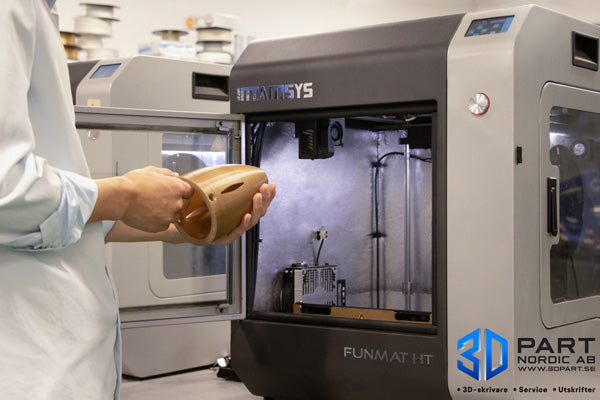

Order 3d model made of plastic
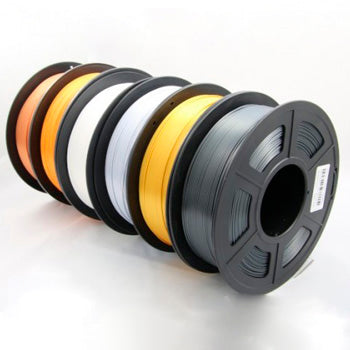
We do contract manufacturing in plastic with a wide range of materials, can also be combined with metals, sheet materials, etc.
We have several 3D techniques
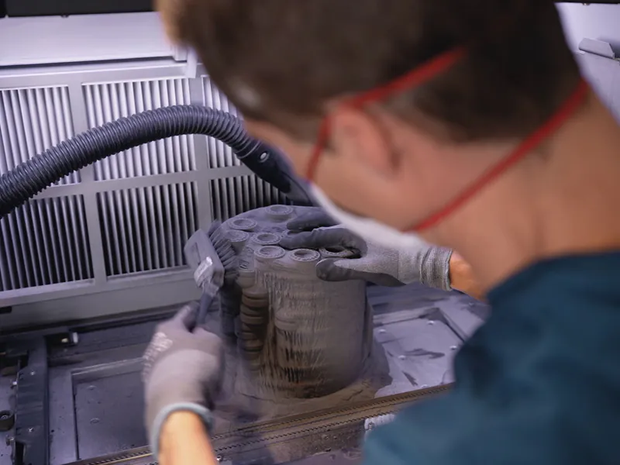
- Manufacturing with Selective laser sintering
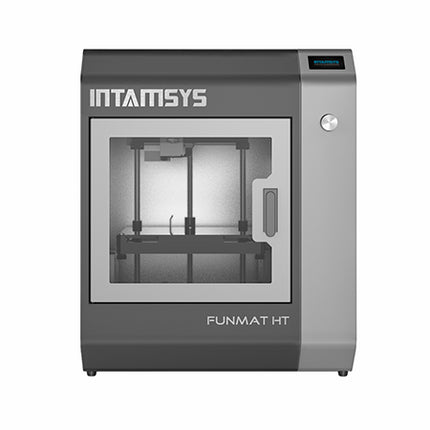
- Manufacturing with Fused deposit molding
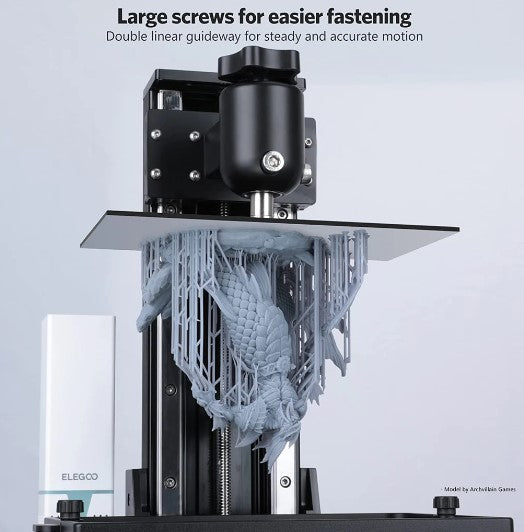
- Manufacturing with Stereolithography